


The worst part of healing isn't the collapse. It's what comes after.
It's the suspension between who we were and who we might become, when the scaffolding has given way but the new structure hasn't yet taken shape. We stand in that threshold, and the nervous system doesn't care that growth is happening. It only knows that the familiar is gone.
Here is the liminal space. The void.
For me, that threshold materialised when my professional photography approach stopped serving me. I'd built an entire professional identity on clean lines and geometric certainty. The work demanded precision, and for a while, my nervous system had organised itself around that demand. Then something shifted. The control felt hollow, the certainty felt brittle, and the clean lines couldn't hold what I needed to say anymore.
The transition to fine art was not a choice in the way we usually frame choices. It was the realisation of my survival strategy. The old version of my work dissolved before the new one had language, and I stood in that doorway without a map.
The Nervous System Braces for What Isn't There
When we enter the unknown, the body interprets uncertainty as danger. Our window of tolerance narrows. The nervous system scans for threats even when the only real threat is the absence of solid ground beneath us. We brace for impact when what we actually need is to learn how to float.
Not metaphor. Physiology.
The period between dissolving and becoming is where the nervous system does its most reactive work. We might feel restless and frozen, or move between those states in rotation. The body is trying to pull us back to what it knows or push us forward into premature certainty. Anything to escape the suspension.
But the suspension is the work.
Standing in the Doorway
The void beyond this doorway asks us to tolerate what the nervous system resists: the absence of a clear next step. We want to know if we made the right decision. If the discomfort will be worth it. We want the new identity to arrive fully formed so we can stop feeling so exposed and vulnerable.
The threshold doesn't offer those assurances.
What it does offer is a different kind of knowing. When we stop rushing through the space between, when we let the nervous system gradually expand its tolerance for uncertainty, we start to notice what actually calls to us. Not what we think we should want. Not what would look good from the outside. What resonates in the body when we are honest about where we are.
For me, that meant opening a new area of creativity. I started looking for meaning instead of clean lines. I let the light be unpredictable and I stopped trying to impose order and started looking beyond what was already there. The work became emotive instead of controlled, and my nervous system had to learn that emotivity did not mean collapse.
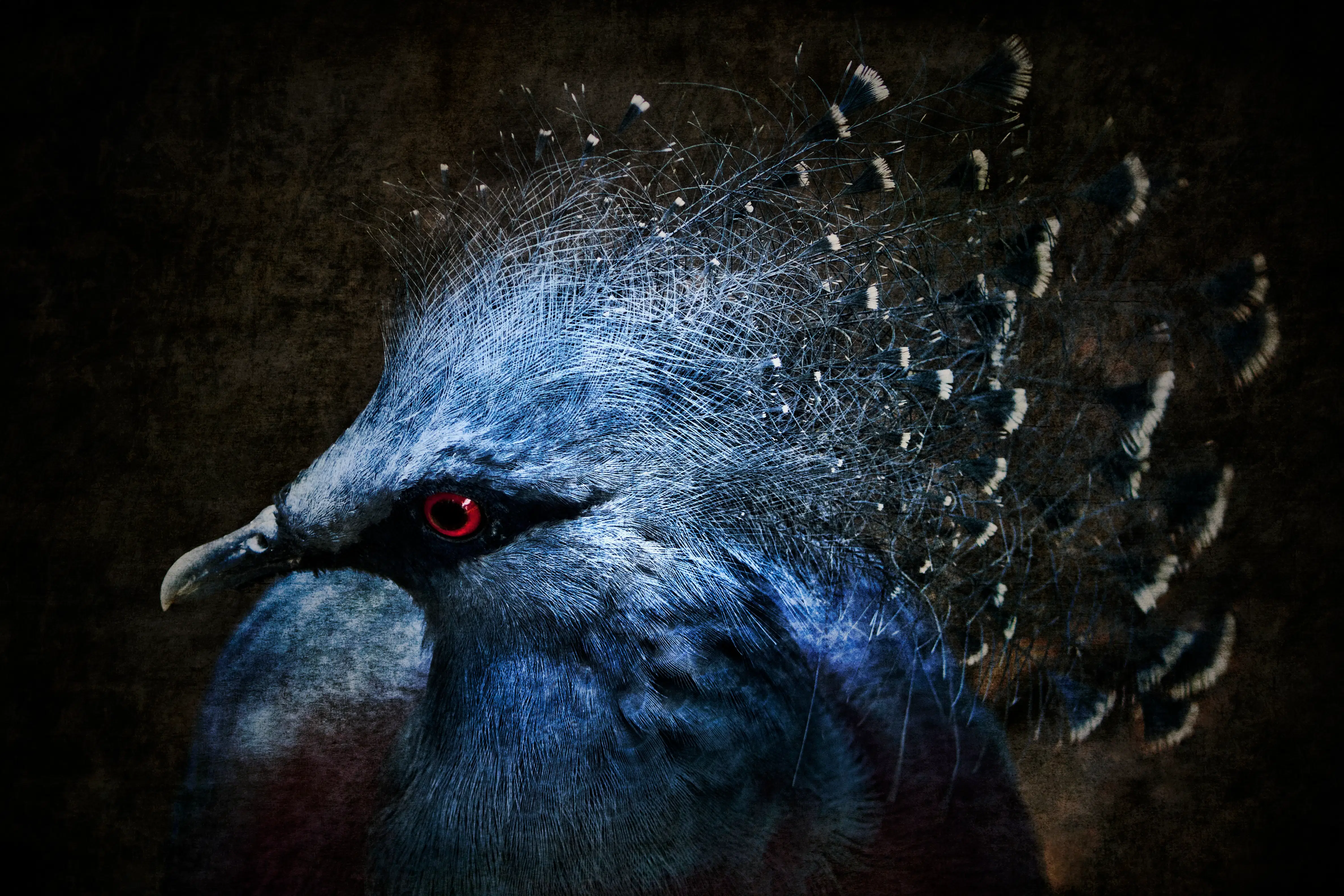
The Weight of Not Knowing
We live in a culture that pathologises transition. Unknown change often gets framed as something to overcome quickly, efficiently, with minimal disruption. Productivity and forward momentum doesn't pause for becoming.
But healing doesn't work on that timeline.
The space between versions of ourselves is where we renegotiate our relationship with control and the performance of competence before we feel it. We learn whether we can tolerate not knowing. We discover if we can stay in the doorway long enough to sense what's actually calling us forward instead of reacting to what has been pushing us from behind.
This is grinding, repetitive work. The nervous system will pull us back toward familiar patterns. We feel the urge to collapse back into the old identity or leap prematurely into a new one just to escape the discomfort. Standing in the threshold means noticing those pulls and staying anyway.
The Shadow Lives in the Transition
The Shadow Self surfaces most clearly in the liminal space, when the old falls away and the nervous system scans for danger in ordinary silence. What was kept neatly out of frame begins to press forward, not as drama, but as pressure in the background, the subconscious insisting on being seen.
Silent Threats holds that particular kind of tension. The birds on the antenna become a metaphor for the wait itself, perched between movement and silence, gathered as if listening for what cannot be named yet. In that suspension, The Shadow does not arrive with a speech, it arrives as vigilance, and shadow work becomes the decision to shine a light on what the mind has been rehearsing in the dark.
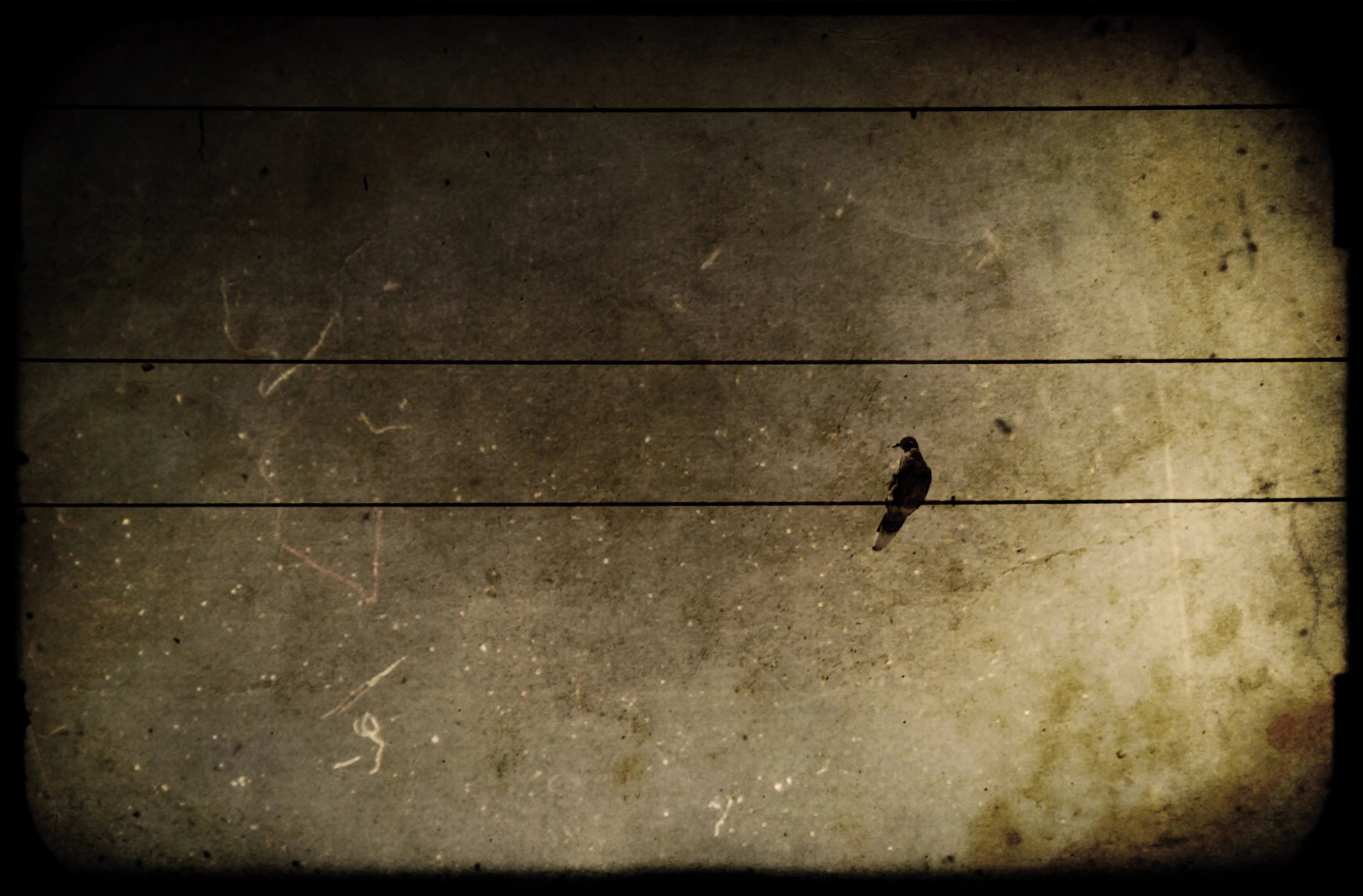
For me, Silent Threats became a way to witness that waiting without turning it into a story with a tidy ending. It documents the moment when uncertainty does not look like chaos, it looks like stillness loaded with unresolved meaning.
What the Threshold Teaches
Standing in the Threshold expands our window of tolerance. Not because the discomfort gets easier, but because we learn we can survive it. The nervous system gradually recognises that uncertainty isn't the same as danger, that suspension does not always lead to collapse.
We learn to distinguish between the body's protective bracing and the actual risks in front of us. We start to notice when we're reacting to the absence of control versus responding to real threats. We develop the capacity to hold complexity without forcing premature resolution.
This doesn't mean we stay in the threshold forever. It means we stop treating transition as something to escape. We stop viewing and feeling the in between as failure or wasted time. We recognise it as the fertile ground where transformation actually happens, even when it feels like rubble.
Threshold magnifies that recognition. The twisted trunk and weathered bark aren't symbols of something else. They're the reality of growth that refuses to be linear or controlled. It doesn't promise that the transition will be comfortable or quick. It depicts what it looks like to stand in the space between and keep growing anyway.
An Invitation to Stand
We exist in these transitions more often than we admit. Between versions of ourselves, or between what we thought we knew and what we're discovering. The culture tells us to rush through. The nervous system tells us to retreat or leap.
The threshold asks us to stay.
We can find reflection in the Threshold limited edition print, especially in the way it holds the weight of the space between. It can sit with anyone learning to tolerate uncertainty, or to expand their window of tolerance. It is where the actual work of becoming takes place.
My fine art collection documents these transitions without softening them. Each piece holds space for the grinding, repetitive work of healing and the refusal to perform resolution before it is real. These works are made as archival pieces you can live with, including limited edition prints with only twelve signed and numbered editions of each work.
If you have been searching for limited edition photography prints in Australia, I want you to know the point is not to fill a wall, it is to place something honest in your space that can sit with you while you change. If minimalist wall art in Australia speaks to you, the quiet is not emptiness, it is room to breathe. If you prefer photography prints online in Australia, you can still choose slowly and with intention, like you are choosing a companion for the season you are in. And if landscape photography prints in Australia are what you are drawn to, let them be less about escaping your life, and more about remembering there is still a horizon inside it.
We're allowed to stand in the doorway as long as we need. The growth happens there, even when the nervous system insists otherwise.
In Reflection
If you are in a season where the old has fallen away, let it be unfinished for a while. Notice what your body does when there is no clear next step. Let the breath return. Let the shoulders drop. Let the answer arrive in its own time.
And if you choose to bring a reminder into your space, choose something that can hold quiet without forcing a conclusion. Something that keeps you company while you become.


