

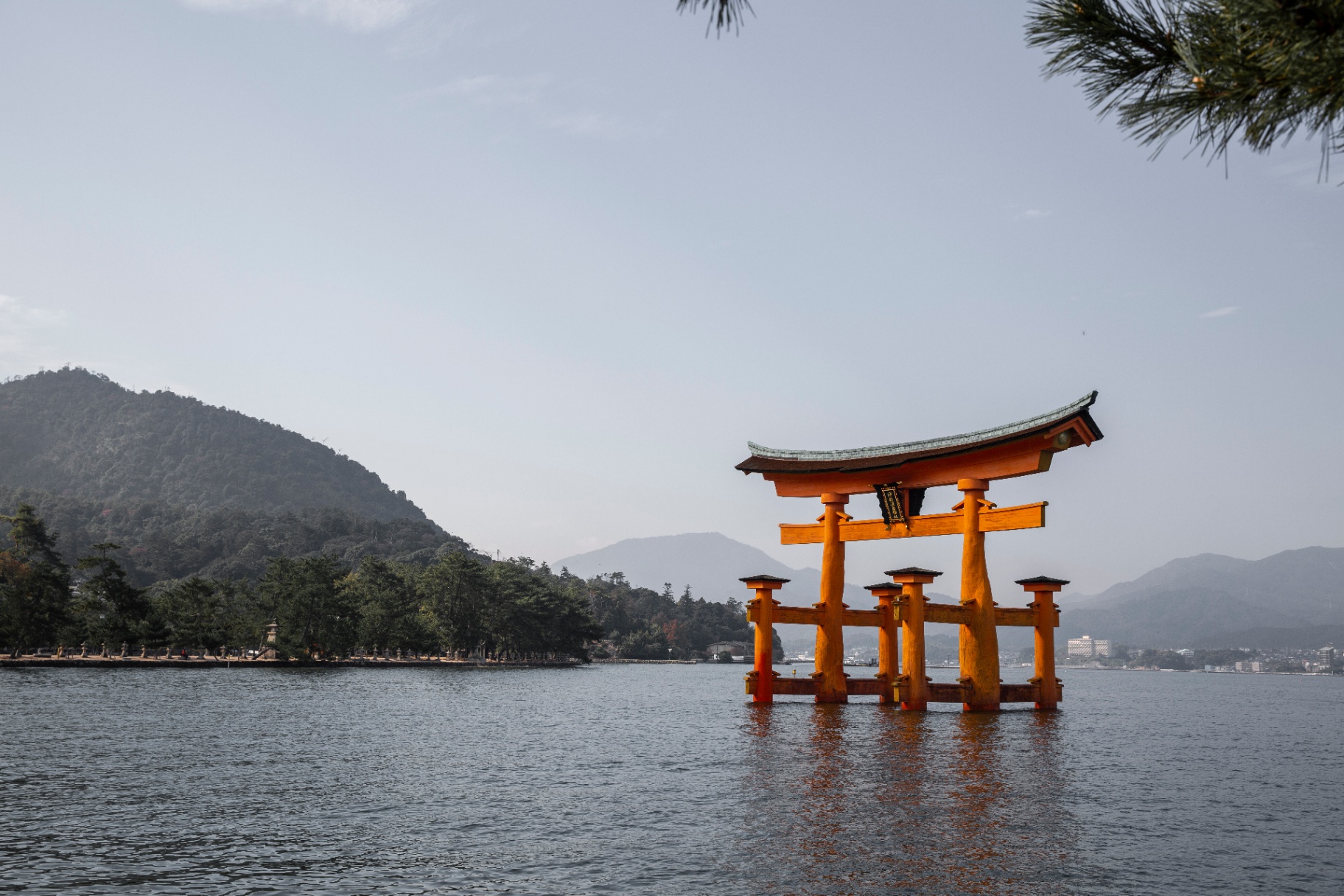
A camera can be used like a witness, or it can be used like a confession.
Documentation is proof. It says, I was there. It pins a moment to the page and keeps moving. Art is different. Art is what happens when you do not get to move on so easily. It says, something happened in me, and I am still listening.
For me, the distinction is not found in the gear, or the technical perfection of the shot. It lives in the weighted silence that arrives after the shutter. That pause is where the honest part begins. Photographic art happens when the camera stops being a tool for documentation and becomes a vessel for an internal state. It is the difference between saying, "This is what I saw," and "This is how I felt."
The Intentionality of Fine Art
Standard photography usually seeks to capture reality as it is. Think of a wedding photo, a news report, or a snapshot of your lunch. These images serve a purpose, they record facts. Fine art photography, however, is guided by the artist’s subjective vision. It is intentional from the very start.
In the world of photographic art, the subject is often just a starting point. The real subject is the emotion, the concept, or the specific narrative the artist wants to explore. Whether it is the play of shadow across a weathered face or the way mist swallows a coastline, every element is a choice. We use the same visual vocabulary as a painter, balance, texture, light, and depth, but our brush is the lens and our canvas is the light itself.
Fine art is defined by this "why." Why did I stand in the freezing rain for three hours to wait for a specific shift in the atmosphere? Why did I choose to frame the shot so the subject looks small and isolated? The answer is never "because it looked nice." The answer is always tied to a deeper need to communicate something that words usually fail to capture.
My Path: From Observation to Expression
My own work as a photographic artist grew out of a need to process the world, rather than just look at it. I have spent years working in commercial spaces, focusing on the precision of the built environment. But my personal work, the pieces I offer as archival photography prints Australia, comes from a much more vulnerable place.
I keep coming back to Australian light, not as a backdrop, but as a pressure. It flattens you one day, then cuts right through the next. It refuses to stay polite. It has a way of exposing what I am trying to hide, and that is exactly why I return to it.
For me, photographic art is a way to embrace imperfection. We are often taught to hide our scars, to crop out the messy parts of our lives, and to present a polished version of ourselves to the world. My art does the opposite. I look for the cracks. I look for the places where things are falling apart or where the light is struggling to break through.
Take, for example, the piece Contemplation. It isn't just a portrait of a primate. It is a study of the weight we all carry. The way the hand supports the head, the heavy gaze, the stillness. When I captured this, I wasn’t thinking about biology; I was thinking about my own moments of exhaustion and the quiet strength required just to sit with one's own thoughts.
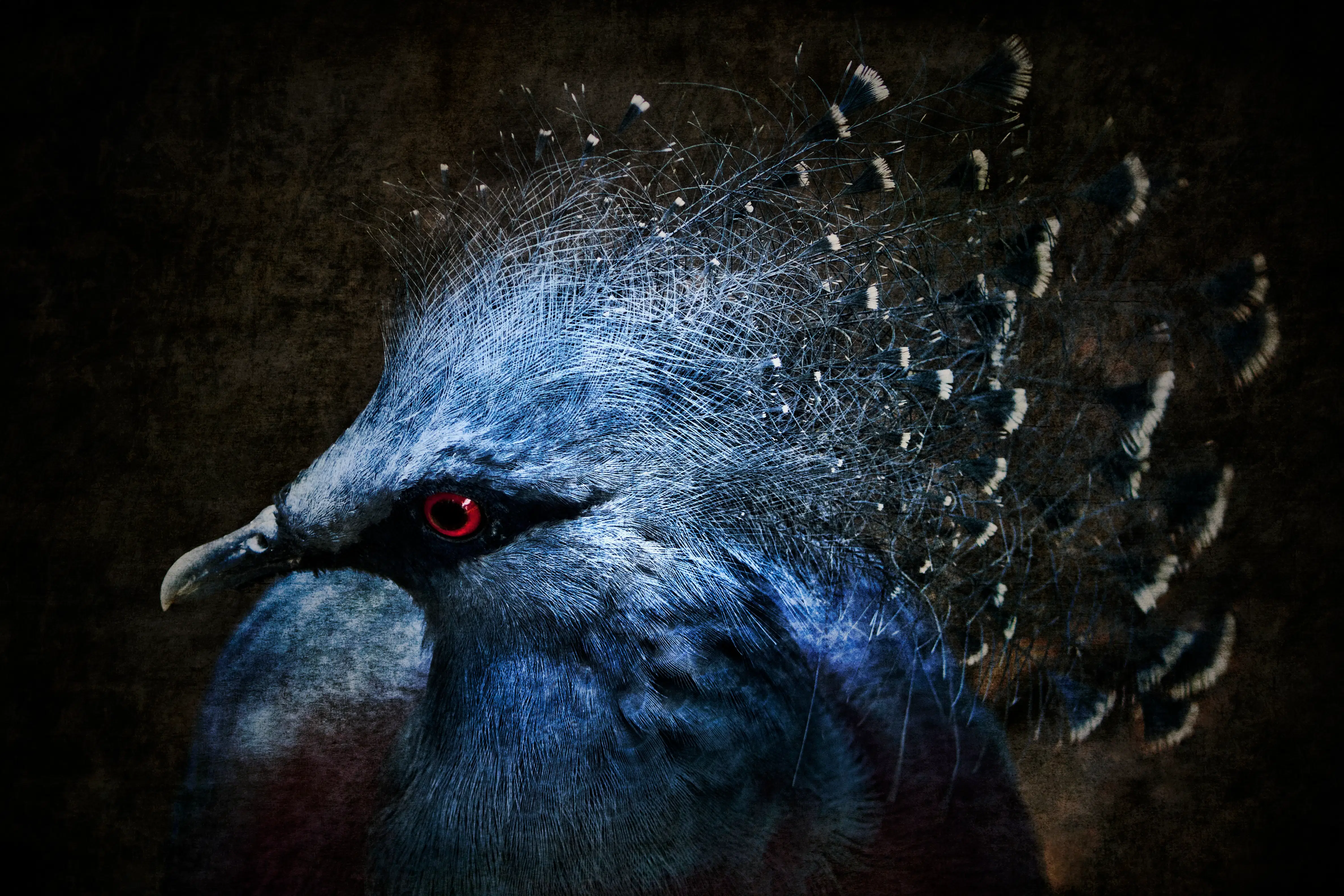
This is what makes my work "fine art" in my eyes. It is not a commercial product meant to please everyone. It is a personal confession. When you look at Distant, you are seeing my own relationship with isolation and the melancholy of abandoned spaces. The fog isn't just weather; it is the feeling of being lost and the slow, painful process of finding your way back.
The Raw Process of Creation
People often ask about the "process" behind my work, expecting a list of settings or software. But the process starts long before I touch the camera. It begins with a feeling, often a difficult one. I might be grappling with a sense of failure or a memory of past trauma. I take that feeling and I go out into the world to find its visual twin.
Sometimes the process is frustrating. I have returned from trips with thousands of images and deleted every single one because they were too "clean." They lacked the grit of real life. I look for mistakes. I look for motion blur that conveys the chaos of a panic attack, or deep, unforgiving shadows that mirror the depths of grief.
My work is heavily textured. I want you to feel the grain. I want the image to feel like it has lived a life, just like we have. This is why archival quality is so important. When you invest in archival photography prints Australia, you are getting a piece that is built to last, printed on materials that respect the integrity of the image. The physical object should have as much soul as the digital file.
I often spend weeks or even months on a single image during the post-production phase. Not to "fix" it, but to peel back the layers until the emotional core is exposed. I might desaturate the colors until only the mood remains, or emphasize the texture of a stone wall until it feels like skin. It is a slow, meditative practice of stripping away the unnecessary until only the truth is left.
Finding Art That Speaks to Your Scars
Why does any of this matter to you? Why should you care about the difference between a photo and photographic art?
It matters because the things we live with shape us over time. They become part of the room's silence. They sit nearby while you make coffee, while you come back to yourself after a long day. If you are someone who has moved through fire, who has dealt with loss, or who is currently learning how to carry what happened, you do not need something that denies it. You need something that can sit in the truth with you, without flinching.
That is one of the reasons people look for wall art in Australia that feels more like a companion than a statement. Not everything on a wall has to be loud. Sometimes it just has to be honest.
There is a unique power in finding a piece of art that says, "I see your struggle, and there is meaning in it." When you connect with a work like Threshold or Seeking Hope, you are recognizing a part of yourself in the frame. That connection is where the magic happens. It is a bridge between my experience as an artist and your experience as a human being.
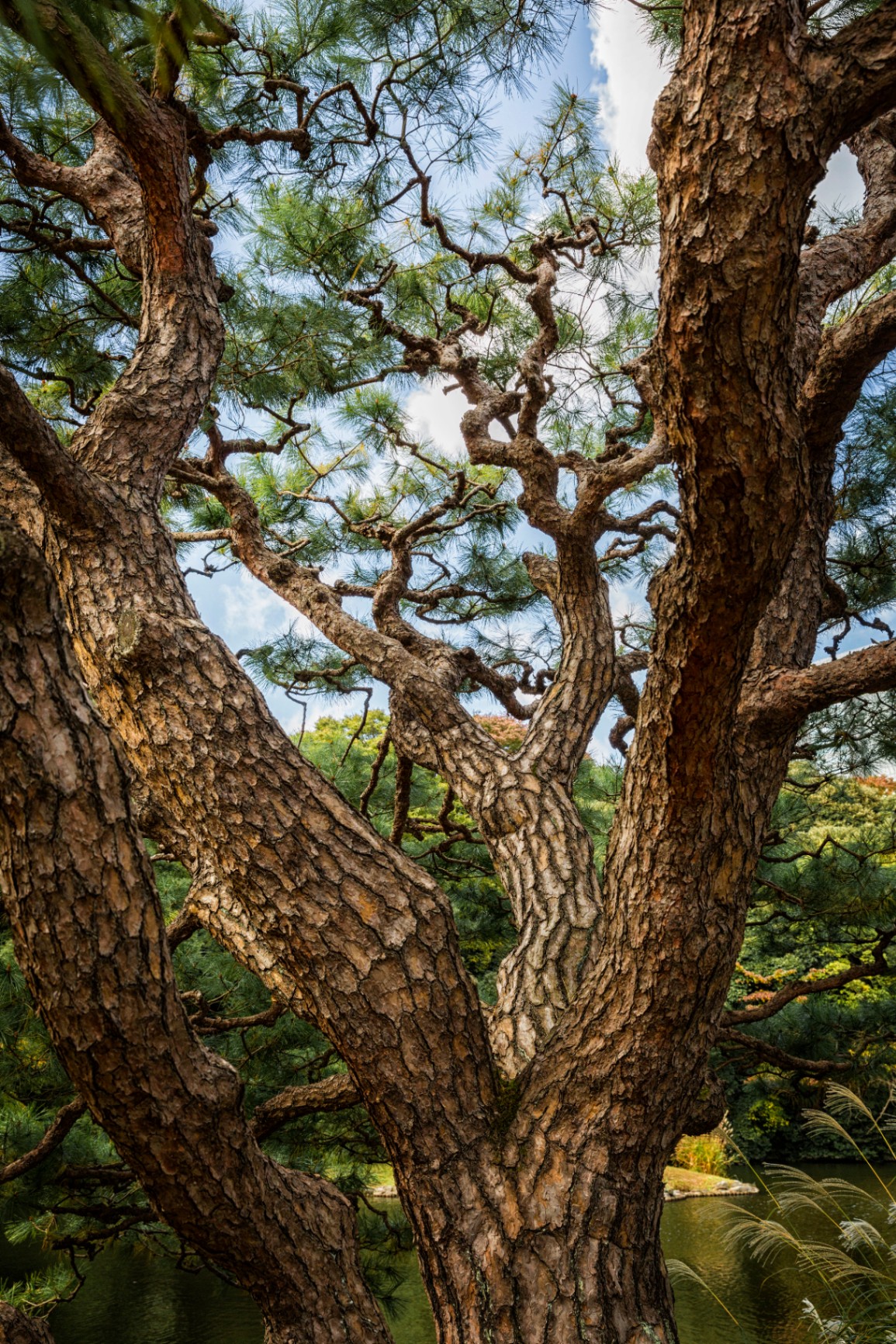
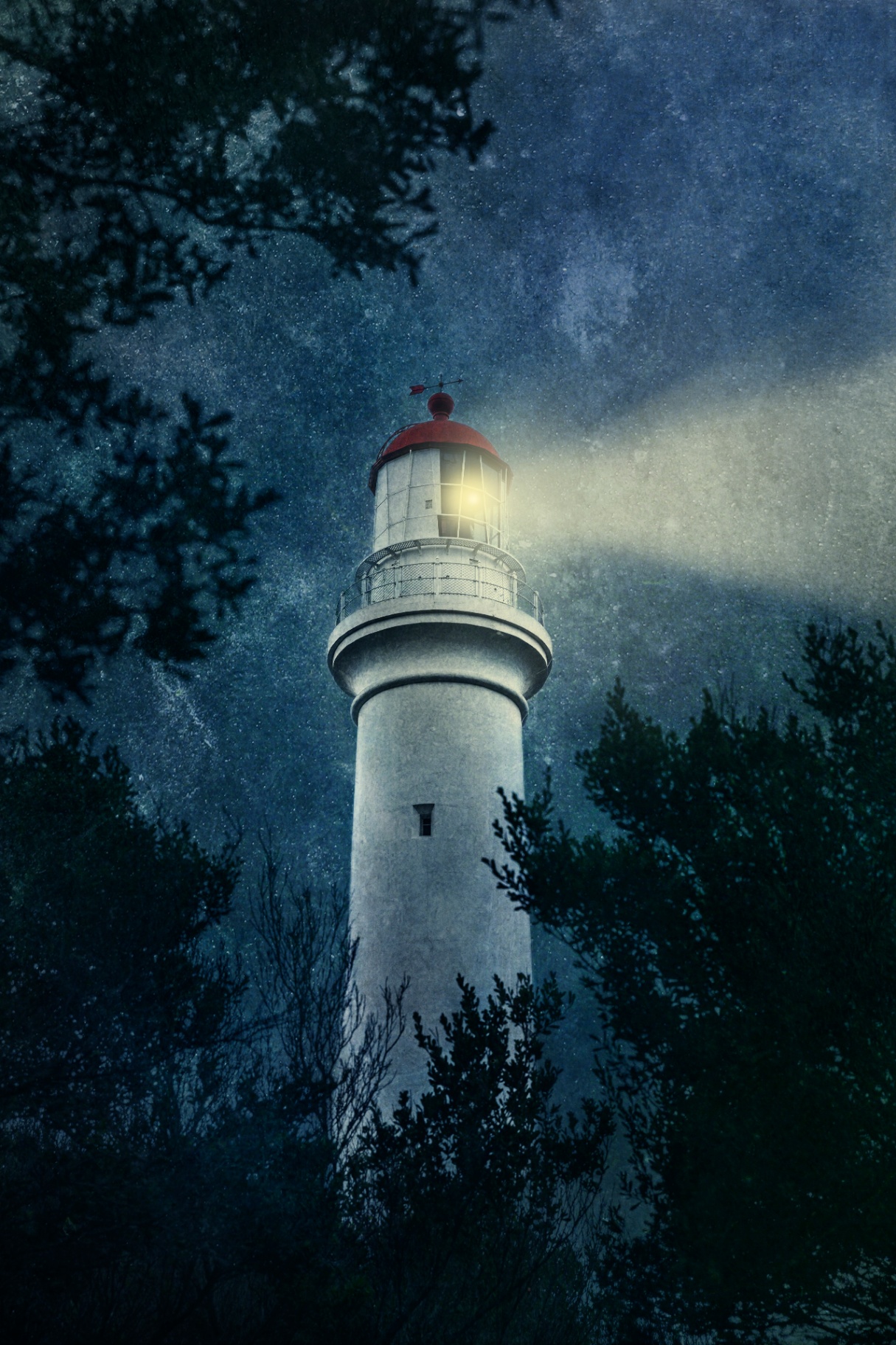
Sometimes that bridge is built out of restraint, out of what is left unsaid, out of empty space that lets you breathe. If you have ever been drawn to minimalist work, you probably understand that instinct already, the way a quieter piece can hold more of you, not less.
Art should communicate. It should be a conversation that happens in the silence between the viewer and the image. My goal is never to tell you exactly what to feel, but to provide a space where you are allowed to feel whatever you need to.
A Promise of Rarity and Connection
Because this work is so personal, I choose to keep it intimate. I don't mass-produce these images. Most of my pieces are released as limited editions of only 12. This isn't a marketing tactic; it is a way to ensure that the connection remains significant. Knowing that only eleven other people in the world share that specific visual window with you makes the art a shared secret, a quiet bond of understood emotion.
When the work leaves my hands and becomes a physical object, I want it to carry that same sense of care and constraint. For anyone searching for limited edition photography prints in Australia, I hope what you feel underneath the practicalities is intention, not volume. Each edition is signed, numbered, and accompanied by a certificate of authenticity. If you ever find yourself searching for signed and numbered photography prints in Australia, what you are really looking for, I think, is trust, a way to know the work has a limit, and therefore a kind of responsibility.
Some people meet the work through photography prints online in Australia. Others come to it through a slower path, after living with an empty wall for a while because nothing felt right. However it arrives, scale still matters. Some feelings need distance, a little room to echo, which is why certain pieces can work as large photography wall art in Australia without needing to shout.
And when the work leans into open horizons and weathered quiet, it naturally sits alongside landscape photography prints in Australia, not as escapism, but as a mirror for the inner weather. I also understand why some people search specifically for minimalist wall art in Australia. There is relief in restraint. There is space to breathe.
In the end, photographic art is about the courage to be seen. It is about the artist being brave enough to show their inner world, and the viewer being brave enough to let that world in. It is about finding the grace in our imperfections and the light in our darkest corners.
Whether you are looking for Epoch to remind you of urban renewal or Repose to give you a moment of much-needed rest, I hope you find something here that speaks to your soul, not just your eyes. We are all works in progress, and sometimes, a single image is all we need to remind us that we aren't walking this path alone.


