


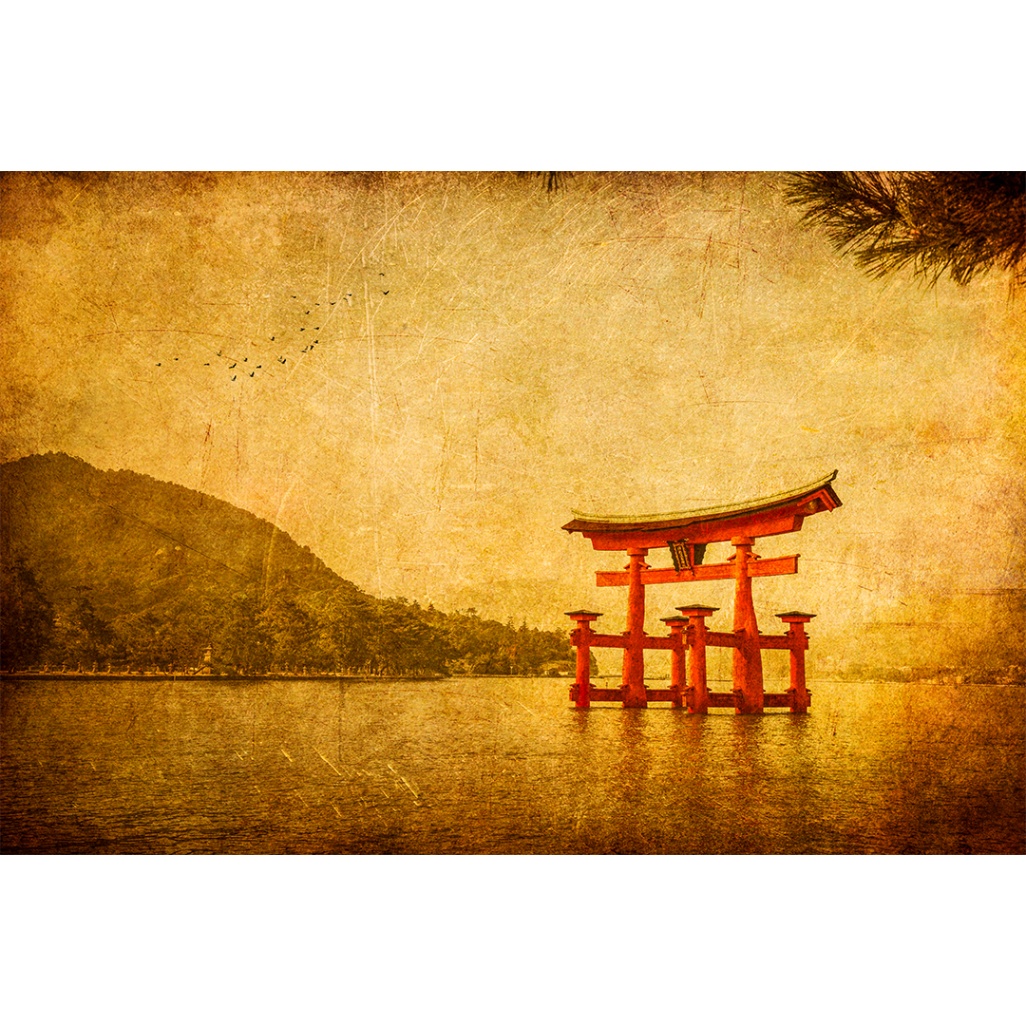
We carry blueprints in our bodies. Not the literal kind, but the internal scaffolding we build to hold ourselves upright when the ground feels uncertain. Clean lines. Right angles. The private belief that if we measure precisely enough, document thoroughly enough, control tightly enough, we can keep chaos at bay.
I spent the better part of a decade working inside that kind of geometric discipline. My camera translated space into clean, reliable records, structural documentation designed to inform and verify, and there was comfort in how measurable it all felt. Success could be checked, corrected, signed off, and my nervous system learnt to find safety in that predictability.
But scaffolding, no matter how carefully constructed, is not meant to be permanent. It is temporary support for something being built, or something being dismantled. Mine began giving way in 2020, not dramatically but persistently, the way a structure weakens under sustained pressure until one ordinary morning I realised the framework that held me was no longer able to carry load.
When the Blueprint Stops Working
The collapse was not about the work itself. Technical foundations had given me genuine skills: an understanding of how light behaves across surfaces, the patience to wait for the moment when shadow and form align, the ability to see geometry in the everyday. Those skills were not lost. They became repurposed.
What gave way was the belief that documentation alone could satisfy what I needed to say. The body knows things the mind has not caught up to yet. Mine knew that making flawless records of surfaces and structures no longer matched the interior state I was living. The precision began to feel hollow, a performance of control while my nervous system was doing different work in the background.
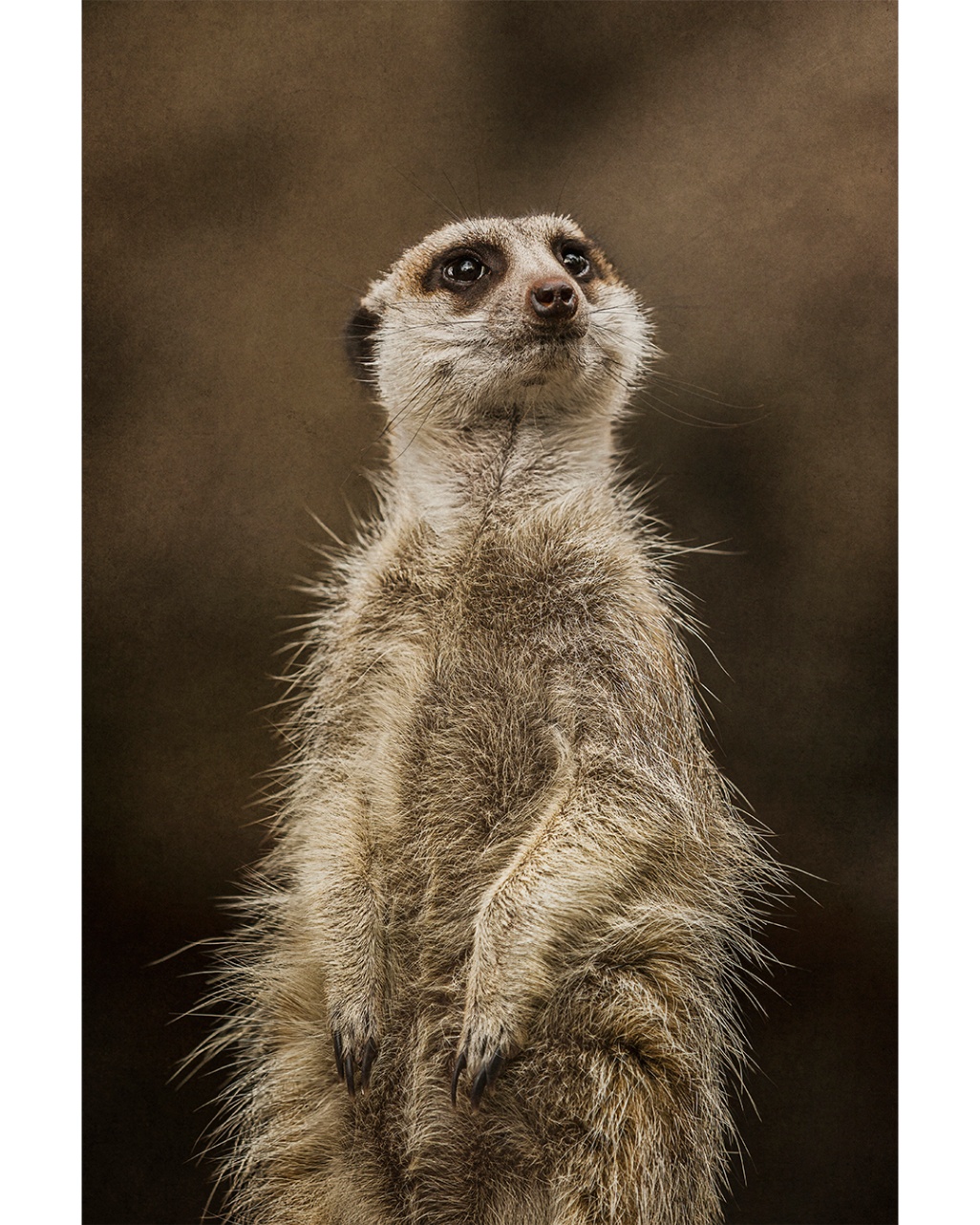
Healing, when it begins in earnest, demands honesty in ways that neat professional frameworks cannot accommodate. The camera I had used to eliminate distortion, correct perspective, and render everything sharp became a tool for something messier: emotive art, documenting states of being rather than states of completion. The Limited Edition prints that emerged from this shift are not about structural documentation at all, even when structure remains in the frame. They are about suspension and transition, the liminal space between what was and what might become.
In time, that shift became a body of limited edition fine art photography prints, made as archival fine art prints that can live with you, and quietly work on you, for years.
The Geometry That Remains
Here's what didn't dissolve in that transition: the foundation. Understanding how lines lead the eye, how weight distributes across a composition, how geometry creates both tension and rest. These principles, learned through years of technical practice, became the bones of something more honest.
The geometry still holds, but the subject has changed. Where my eye once hunted for certainty, it now stays with atmosphere and pause, and the discipline of composition becomes a container for feeling rather than proof. The limited edition of twelve is not scarcity for its own sake; it is a deliberate boundary around a particular state of becoming, held long enough to be printed, signed, numbered, and allowed to resonate in real space.
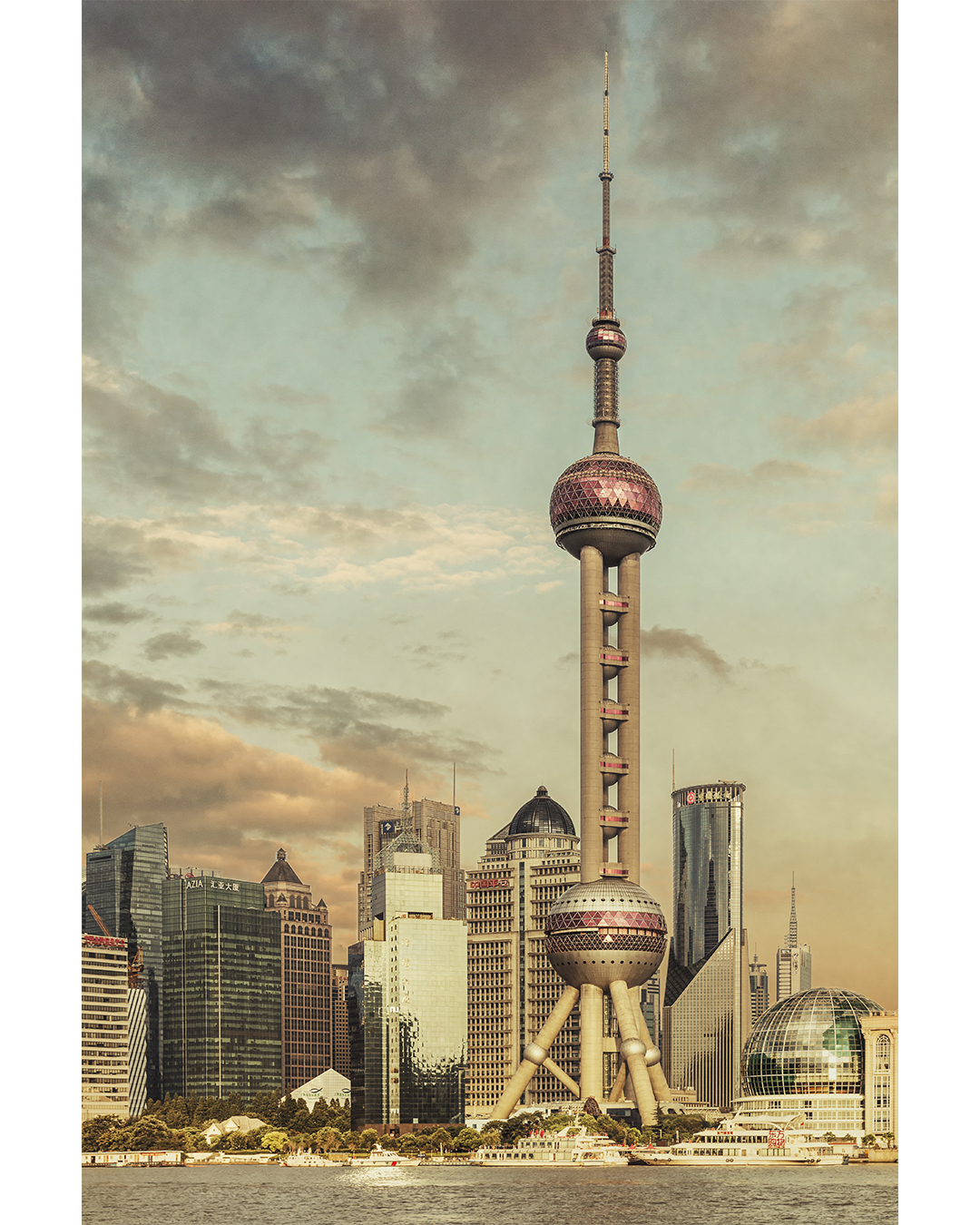
The physical presence of these prints matters in ways my earlier work never required. When we frame something as a limited edition, sign and number it, and provide certification of authenticity, we are making a claim: this is not decoration. This is a document of standing in a particular psychic space and staying there long enough to translate it into visual form. The print becomes an invitation for us to stand there too, not as passive viewers, but as witnesses to a shared human capacity for sitting with difficulty.
In a world of screens, archival fine art prints ask for a slower kind of attention. They hold their own silence. They keep their own temperature.
For collectors: provenance, serialisation, and the integrity of the edition
Digital data is, by nature, infinite. A file can be duplicated without loss, which is useful, but it also means the "thing" can spread without a natural limit, untethered from time, sequence, or consequence.
A physical print asks for a different kind of agreement. The signature and the edition number function as a serial for the work, fixing each print's place inside a finite series and anchoring the object's history to something verifiable. Provenance becomes less of a concept and more of a trail you can follow, a quiet continuity of hands and time.
The restraint is built into the rules. There are 12 Limited Edition prints of each image at 80cm x 120cm, and once those 12 are sold out, that size is gone forever. That boundary protects the integrity of the edition, and it is part of what allows the physical object to collect in value over time for the collector.
From Control to Resonance
The technical skills I developed measuring distances, calculating exposures, and ensuring perfect verticals now serve a different master. Instead of eliminating the blur of motion, I sometimes embrace it, letting it speak to the disorientation of transition. Instead of correcting for atmospheric haze, I allow it to remain, acknowledging that clarity isn't always the goal when the subject is transformation.
Juncture holds the shift in the body. The composition keeps geometric rigour, the kind of structural balance that technical training provides, but the treatment is anything but clinical. Crossing paths, suspension between directions, a frame that holds both definition and dissolution at once. I could not reach this place back when I believed the camera's job was to eliminate ambiguity. It arrived when I stopped pathologising uncertainty and started documenting it as a legitimate state of being.
The Limited Editions exist in this tension. They are meticulously crafted, printed on archival materials that will outlast us, mounted and framed with the same attention to physical integrity I once applied to formal documentation. But what they document now is not compliance, or proof, or a finished answer. They document the rubble of a self that needed excavation, the slow work of sorting through what remains after scaffolding gives way, the discovery that beneath the blueprint was something more durable, and more honest.
The Work That Follows Collapse
This is not a neat origin story. The transition from structural documentation to emotive art was not a decision so much as a survival strategy. When the structures we build to contain ourselves prove inadequate, we can rebuild the same cage, or we can stay with the uncertainty long enough to discover what wants to emerge from the wreckage.
The geometric foundation remains because it's honest. Lines converge. Weight distributes. Light behaves according to physical laws regardless of our emotional state. But now those elements serve a different function. They create containers for states that resist containment: the grinding repetitive work of healing, the collapse that precedes genuine transformation, the discovery that control was never the point.
Each limited edition of twelve represents this deliberate constraint. We live in an era of infinite reproducibility, where images multiply endlessly across screens and surfaces. To say "only twelve of these will exist" is to acknowledge that some states of being shouldn't be mass produced, that certain invitations require the physical presence of the object itself, that the nervous system responds differently to something held in limited existence than to something infinitely available.
Standing in the State
The prints are not selling a fantasy of transformation. They are not before and after narratives or promises of arrival. They are documents of standing in a particular psychic space, the kind of space where blueprints no longer function but something new has not fully formed. That liminal suspension, deeply uncomfortable as it is, is often where the real work happens.
The geometry I learned through years of technical practice didn't become irrelevant. It became recontextualised. The precision that once served documentation now serves witness. The understanding of how structures bear weight now applies to how the psyche scaffolds itself during reconstruction. The camera's capacity to freeze a moment in time now captures not completed forms but states of becoming.
The Invitation
These Limited Edition prints exist as invitations to stand in states that resist comfortable resolution. They're not asking anyone to arrive somewhere or achieve something. They're offering to hold space for the grinding, repetitive, unglamorous work of allowing internal scaffolding to give way when it no longer serves, of sitting with the rubble that remains, of building something more honest from those materials even when the outcome remains uncertain.
The technical foundation shaped this work in ways that can't be separated from it. The years spent understanding light, form, and geometric relationships created the container. But what fills that container now isn't information or documentation. It's the visceral reality of a nervous system learning to tolerate states it once needed to control, translated into visual form for anyone else doing similar work.
We all carry blueprints. Some serve us well for a time. Some need to dissolve before something more durable can emerge. The prints document that threshold, holding space for the transition with the same discipline once applied to eliminating uncertainty. Not because uncertainty disappears, but because it becomes something we can stand with rather than something we need to fix.
Explore the Limited Edition collection to encounter these documents of becoming, each signed, numbered, and held within an edition of twelve.
In Reflection
If you are in a season where the old measurements no longer comfort you, you are not failing. You are learning a new way to stand.
Geometric order can still be a shelter, but it does not have to be a cage. Sometimes it is simply the frame that lets feeling arrive safely, without needing to be solved.
And if something here settles in your chest, even briefly, let it. Let the work be quiet company while you keep walking.


